

Cheapest Countries to Study Abroad for South African Students in 2027
List of affordable countries to study abroad in 2027, with university fees, living costs, scholarships and admission advice for South African students.
Cheapest Countries to Study Abroad for South Africans
Studying abroad sounds expensive, and well, it can be. But you don't necessarily need the kind of money people spend to study in the UK, the United States or Australia.
There are countries where public universities charge relatively low tuition fees, and some even offer scholarships that can make studying overseas much more affordable.
The tricky part is knowing what you can actually afford. A university might advertise very low tuition fees, but then you discover that you need thousands of euros in savings before you can even get a student visa.
Accommodation, health insurance, flights and other expenses also add up.
So, if you're a South African student hoping to study abroad in 2027, I'd start by comparing countries where tuition fees are reasonable and where you have a realistic chance of meeting the admission and financial requirements.
Germany, Italy, France and Poland are worth investigating first. They have different advantages, though, and the cheapest option for someone studying engineering might not be the cheapest for someone doing a business degree.
1. Germany

Germany is one of the first countries I'd investigate if I wanted to study abroad without paying the high tuition fees charged by many universities in English-speaking countries.
Many public universities in Germany charge no general tuition fees for bachelor's degrees and most master's degrees.
You still have to pay a semester contribution, which varies by institution. There are exceptions, too: universities in Baden-Württemberg charge many non-EU students €1,500 per semester, and some universities in Bavaria charge international tuition fees.
The bigger expense is living in Germany. The German Academic Exchange Service (DAAD) estimates that students generally need around €900 to €1,200 per month, depending on where they live.
International students also need to demonstrate sufficient financial resources when applying for a student visa. The exact amount should be checked against the current German visa requirements before applying.
What I like about Germany: You can find public universities with very low tuition costs, especially if your course is available at one of them. Engineering, computer science and other technical subjects are worth exploring.
There is one catch, though. Not every degree is taught in English. If you're applying for a bachelor's degree and don't speak German, your options may be more limited than you expect. Some master's programmes are available in English, so your qualification level matters.
Before applying, check the university's entry requirements for South African matriculants. Having a National Senior Certificate does not automatically mean you can enter every German bachelor's degree directly. Depending on your school subjects and qualifications, you may need additional study or a preparatory programme.
2. Italy
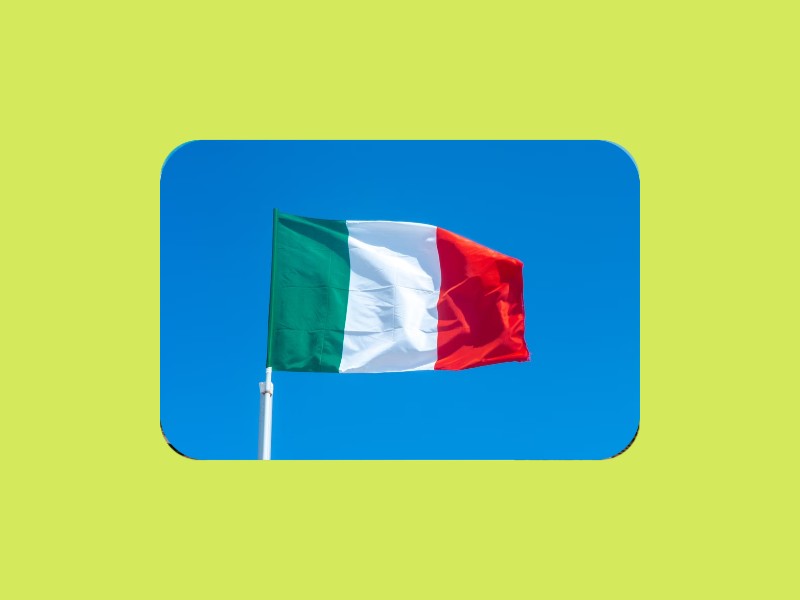
Italy is another country I'd put on the shortlist, particularly if you're looking for a public university and want to investigate scholarship opportunities.
Public university fees vary by institution, programme and student circumstances. Some universities calculate fees using family income or other financial information, while others have specific fee arrangements for international students. Don't assume that every university will charge you the same amount.
Italy is also worth researching because some universities and regional authorities offer financial support to eligible students. Depending on the scheme, this may include tuition reductions, accommodation assistance or other benefits. However, you need to check the eligibility rules for international applicants rather than assuming that every scholarship is available to South Africans.
What makes Italy interesting is the possibility of combining relatively affordable tuition with financial assistance. If you're willing to research individual universities instead of applying to the first institution you find, you may uncover options that aren't obvious from general study-abroad rankings.
English-taught degrees are available, including at master's level, although the choice varies by subject and institution. For undergraduate study, check the language of instruction carefully.
You should also budget for accommodation, food, insurance, visa costs and proof of sufficient financial resources. A scholarship that covers tuition alone will not necessarily pay for your living expenses.
Start with the official Universitaly portal to explore Italian higher education and admission information. Check the university's own fee schedule and the relevant scholarship provider before making a budget.
3. France
France deserves a place on this list because public university tuition can be considerably lower than tuition at many universities in the UK, US or Australia.
However, there is an important detail that South African students need to understand: international tuition fees are not necessarily the same as the fees paid by French or EU students.
For the 2026–2027 academic year, Campus France lists differentiated annual tuition fees of €2,902 for bachelor's degrees and €3,950 for master's degrees for many first-time non-EU students at covered public institutions.
Exemptions and other arrangements may apply, so check the institution and your circumstances before relying on those figures. Source: Campus France tuition fee information.
These are published 2026–2027 figures, not a guarantee of what you'll pay when starting in 2027–2028.
Would I consider France if I were a South African student? Yes, especially if I found a university offering my preferred course at a reasonable fee and could meet the language requirements.
French is important for many undergraduate programmes, although English-taught courses are available. If you don't speak French, filter your search by the actual language of instruction before spending time preparing an application.
Also, don't compare tuition fees alone. Look at accommodation in the city where the university is located, because your living expenses can make a substantial difference to your budget.
For a starting point, visit Campus France and explore its official information for international students.
4. Poland
Poland is worth considering if you want to study in Europe but Germany or France doesn't quite suit your academic plans.
International students can find English-taught programmes at Polish universities, including programmes in business, computing, engineering and other fields. Tuition fees vary, and English-taught degrees are not automatically cheap.
According to Poland's official study portal, tuition fees for international students commonly range from approximately €2,000 to €6,000 per year, depending on the university and programme. Some specialist programmes cost more. Source: Study.gov.pl tuition fee information.
That gives you a starting point for comparing universities, but you still need to calculate the full cost of attending.
The main reason I'd investigate Poland is that you can compare English-taught programmes without automatically committing to the higher tuition fees charged by some popular destinations. Whether it works for you depends on the course, the institution and the cost of accommodation.
Check whether the degree meets your career goals back in South Africa, too. If you're studying a regulated profession, such as medicine, you'll need to investigate the relevant South African professional registration requirements before enrolling overseas.
Visit Study.gov.pl to research universities and learn more about studying in Poland.
5. Malaysia
If you're open to studying outside Europe, Malaysia is another destination worth researching. It has universities offering programmes in English, and its living costs can be lower than those in several popular Western study destinations.
Malaysia is particularly worth investigating if you want to study business, information technology, engineering or other subjects offered by its universities and international branch campuses.
The fees vary considerably. A programme at a private university or an international branch campus may cost much more than you expect, so don't assume that every Malaysian university is affordable simply because the country has a lower cost of living.
I'd compare the complete cost of the degree, not just the first year's tuition. You should also check the international student fees, accommodation arrangements, health insurance and student pass requirements.
You can begin your research through Education Malaysia, then compare the fees published by individual universities.
Which country is actually the cheapest?
Well, this depends on what you intend to study and how much money you have available. Here's how I'd approach the comparison.
|
Country |
Tuition situation |
What you should investigate |
|---|---|---|
|
Germany |
No general tuition fees at many public universities, but exceptions apply |
Living costs, proof of funds and whether you qualify for direct admission |
|
Italy |
Public university fees vary; financial assistance may be available |
University fees, regional scholarships and accommodation |
|
France |
Differentiated fees apply to many non-EU students |
Current international fees, exemptions and language requirements |
|
Poland |
Many international programmes charge tuition |
English-taught degrees, tuition fees and living expenses |
|
Malaysia |
Fees vary by university and programme |
Total degree costs, accommodation and student pass requirements |
I wouldn't rank these countries purely by tuition fees. Germany, for example, can look extremely affordable when you see that many public universities don't charge general tuition fees. But you still need money to live there and satisfy the financial requirements for your visa.
Meanwhile, a university that charges tuition could work out better for you if its accommodation is cheaper, you qualify for a scholarship or you can complete the degree in less time.
How much money should you have before applying?
This is where I'd be particularly careful. Getting accepted by a university and being able to afford studying there are two different things.
Before applying, work out these expenses:
- Tuition fees: Check the fee for your exact degree and whether international students pay a different rate.
- Accommodation: Find out what student residences actually cost. Don't build your budget around finding the cheapest room on the internet.
- Food and transport: Estimate your monthly expenses based on the city where you'll study.
- Visa and insurance: Include the relevant application fees, required health insurance and residence permit costs.
- Proof of funds: Check how much money the immigration authorities require you to demonstrate. This is not always the same as your actual annual spending.
- Flights and arrival costs: You may need to pay for flights, a rental deposit and initial expenses before you settle in.
For example, if you're considering Germany because tuition is low, don't interpret that as meaning you can travel there without substantial savings. The DAAD's published guidance explains that international students need to demonstrate financial resources, and that working part-time is not a reliable way to cover all living costs.
If your family cannot fund your studies, research scholarships before deciding that studying abroad is impossible. Just make sure you understand what each award covers. A tuition-only scholarship is very different from one that also pays for accommodation and living expenses.
Can you study abroad for free as a South African?
Yes, it is possible in certain circumstances, but you need to distinguish between tuition-free university study and a fully funded opportunity.
Some public universities charge no general tuition fees for eligible programmes. Others offer fee waivers or scholarships that reduce the amount you pay. Fully funded scholarships may cover tuition and provide additional support, depending on the award.
However, even when tuition is free, you may still need to pay semester contributions, travel expenses, insurance and accommodation. You also need to meet the relevant visa requirements.
I'd look at Germany's public universities and scholarship opportunities in Italy and other European countries first. Then compare those options with fully funded international scholarships, rather than assuming that you must pay all your expenses yourself.
What if your matric results aren't particularly strong?
Don't rule out studying abroad before checking individual admission requirements.
Universities assess qualifications differently. One institution may require particular subjects and grades, while another may have different entry requirements for the same field. Your National Senior Certificate may also need to be assessed against the country's university entrance requirements.
If you have a diploma or degree already, look at admission requirements for postgraduate study as well. Your existing qualification could open options that weren't available to you immediately after matric.
I'd suggest choosing two or three countries based on your intended course, then finding universities that accept your qualification. This is more useful than applying to a long list of institutions simply because their tuition fees look low.
My advice to South African students planning for 2027
If I were starting this process now, I'd choose the course first and then compare the countries. There's little point in picking Germany because tuition is affordable if the degree you want isn't available in a language you can study in or you don't meet its admission requirements.
I'd also start researching scholarships early, prepare my academic documents and check whether my qualifications need translation, certification or formal assessment. Requirements differ by country and university, so confirm them before paying for any services.
Finally, remember that fees and immigration requirements can change between academic years. The figures published for 2026–2027 are useful for planning, but students intending to start in 2027 should confirm the latest fees and visa requirements for their intake.
My first three destinations to investigate would be Germany, Italy and Poland, especially if I wanted to compare European universities. France is worth adding if I find a suitable programme and can manage the language requirements, while Malaysia is a good alternative to investigate if I want to study in Asia.
Once you shortlist a destination, compare universities that accept South African matric and confirm student visa requirements for South Africans studying abroad early in your planning.
The best choice isn't necessarily the country with the lowest advertised tuition. It's the one where you can get accepted into a suitable degree, cover the full cost of studying and complete your qualification without running out of money halfway through.
What's Your Reaction?
 Like
0
 Dislike
0
 Love
0
 Funny
0
 Wow
0
 Sad
0
 Angry
0

Your trusted hub for youth opportunities in South Africa. From learnerships and courses to universities and colleges, we make it simple to find the right path for your future.










Comments (0)